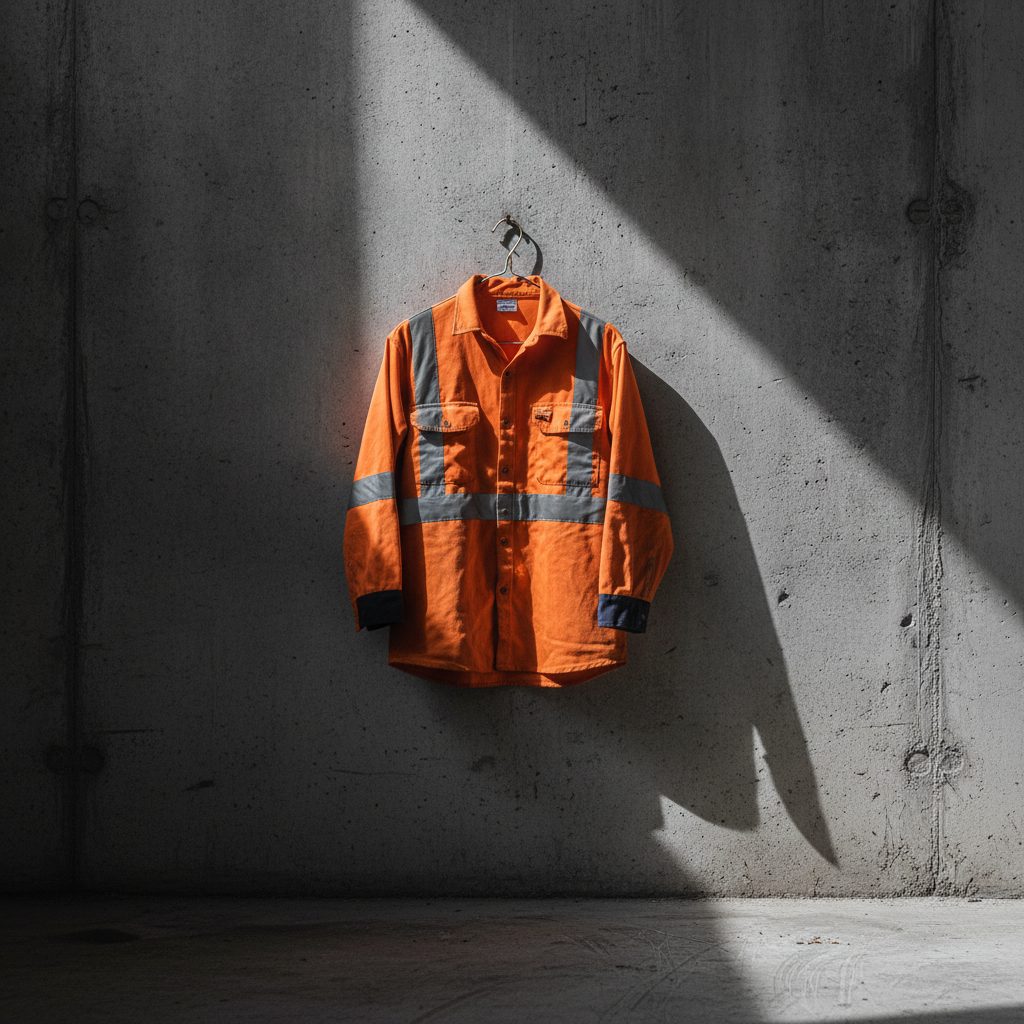
Workwear decorated in Vernon, California
Your logo on the gear they wear.
Work shirts, hi-vis, coveralls, aprons and crew apparel — screen printed, embroidered or heat-pressed on a catalog of 493 garments.
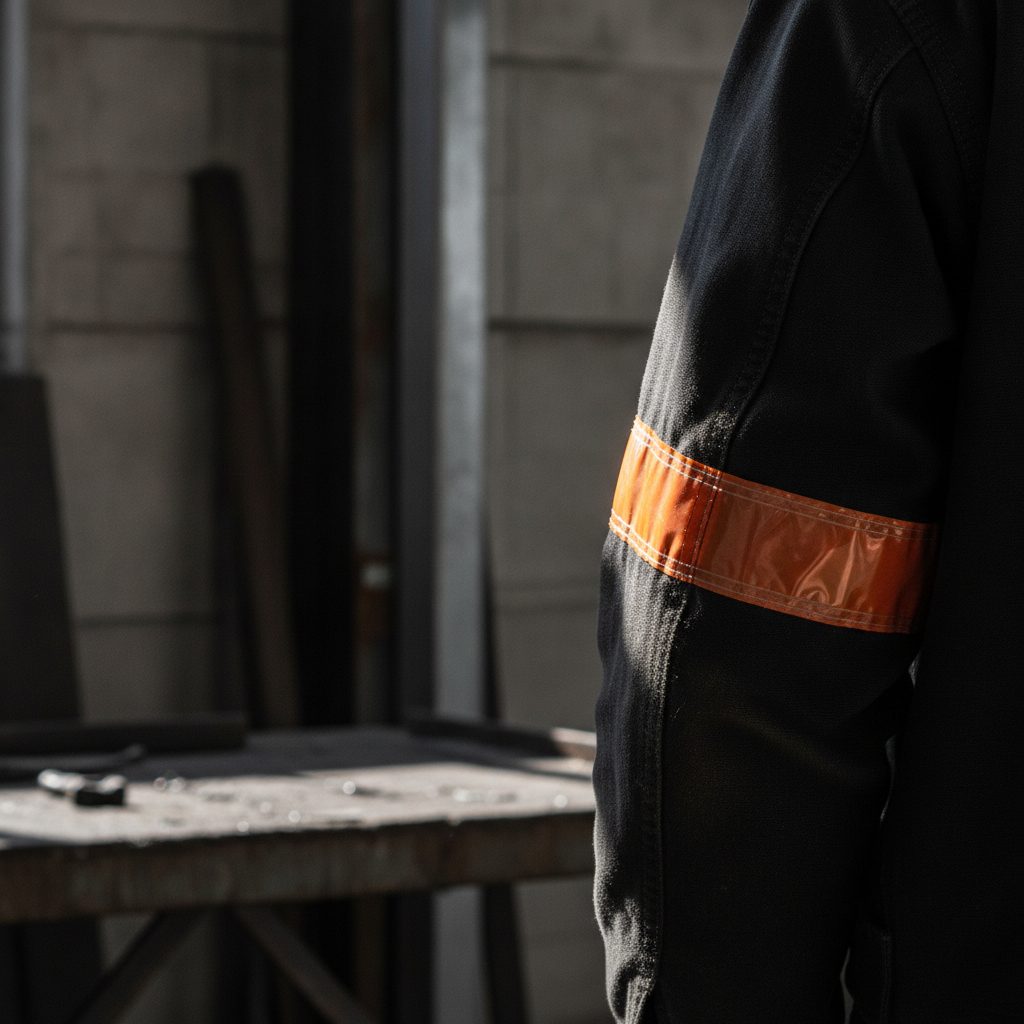
3M reflective ink available
Seen on the night shift.
We run 3M reflective screen-print ink, so a logo on a jacket or a work shirt throws light back at a headlamp instead of disappearing into it.
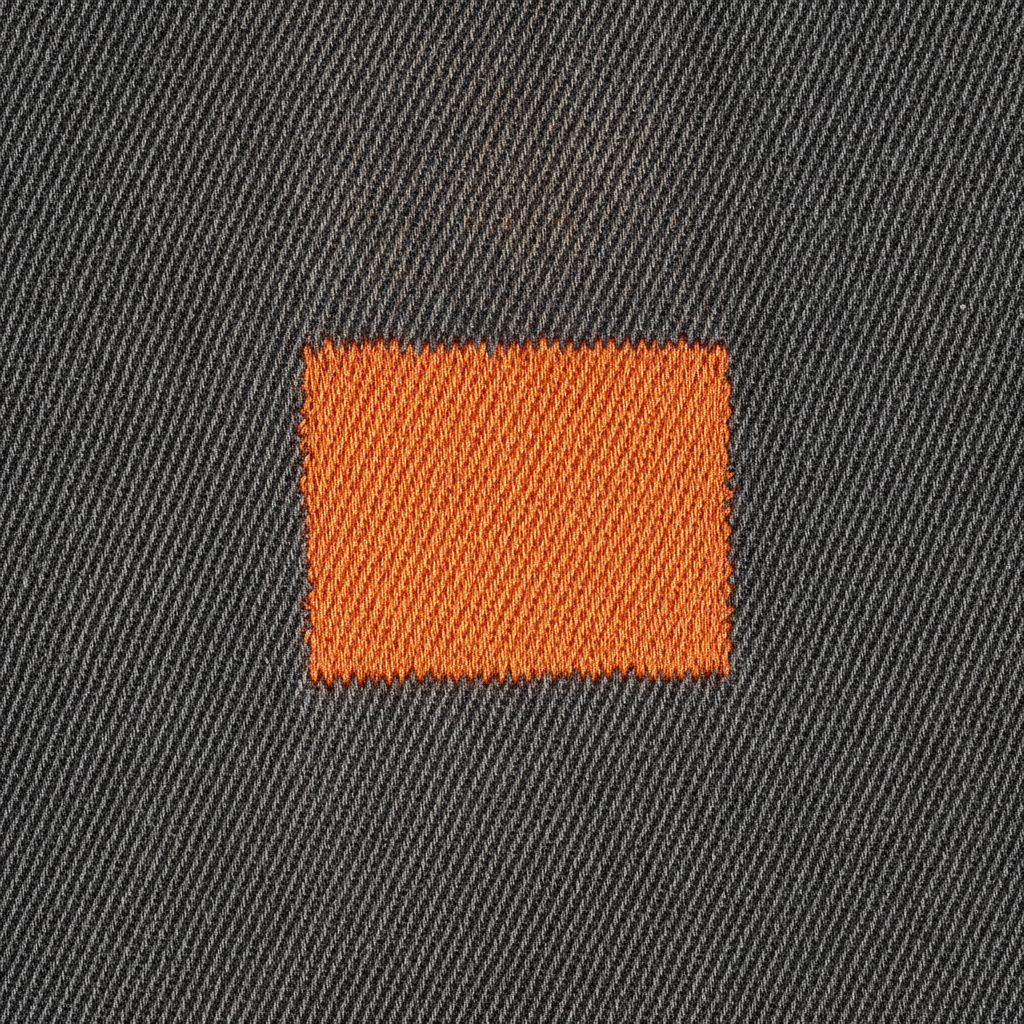
Embroidery on 477 styles
Stitched once. Worn for years.
Thread has nothing to crack, fade or peel, which is why a garment that gets laundered every week is usually an embroidery job. Standard logo size is 4.5 inches wide.
What we decorate
Uniforms, hi-vis and crew apparel
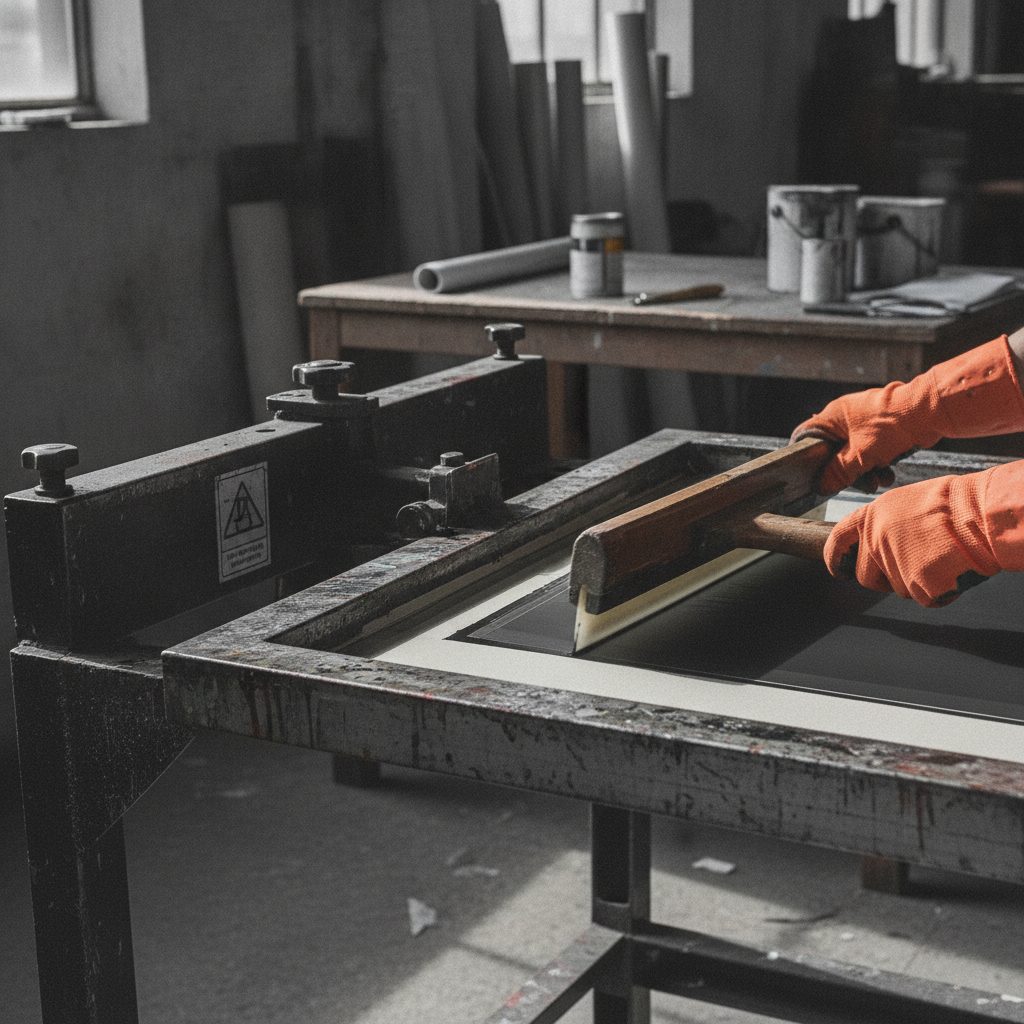
Screen printing
Plastisol, water-based and 3M reflective.
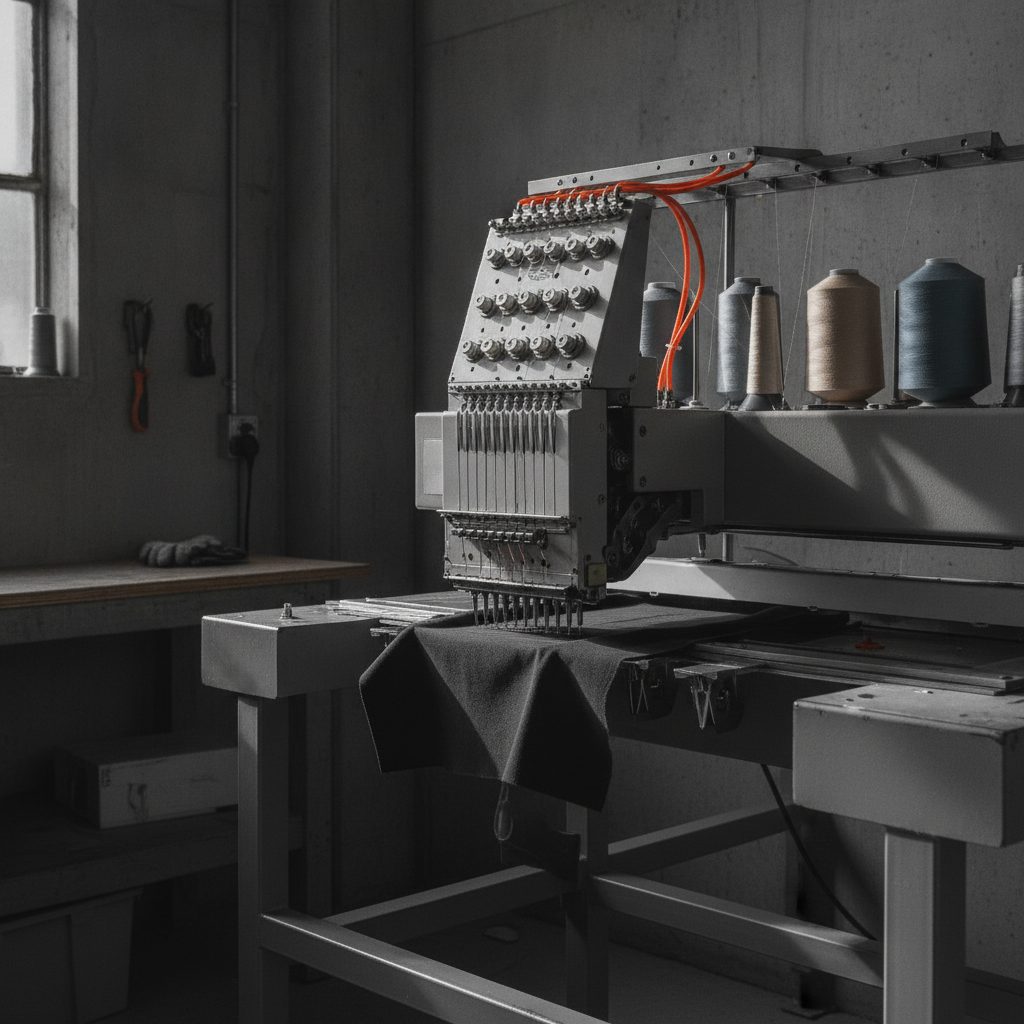
Embroidery
Caps, jackets, polos, left chest.
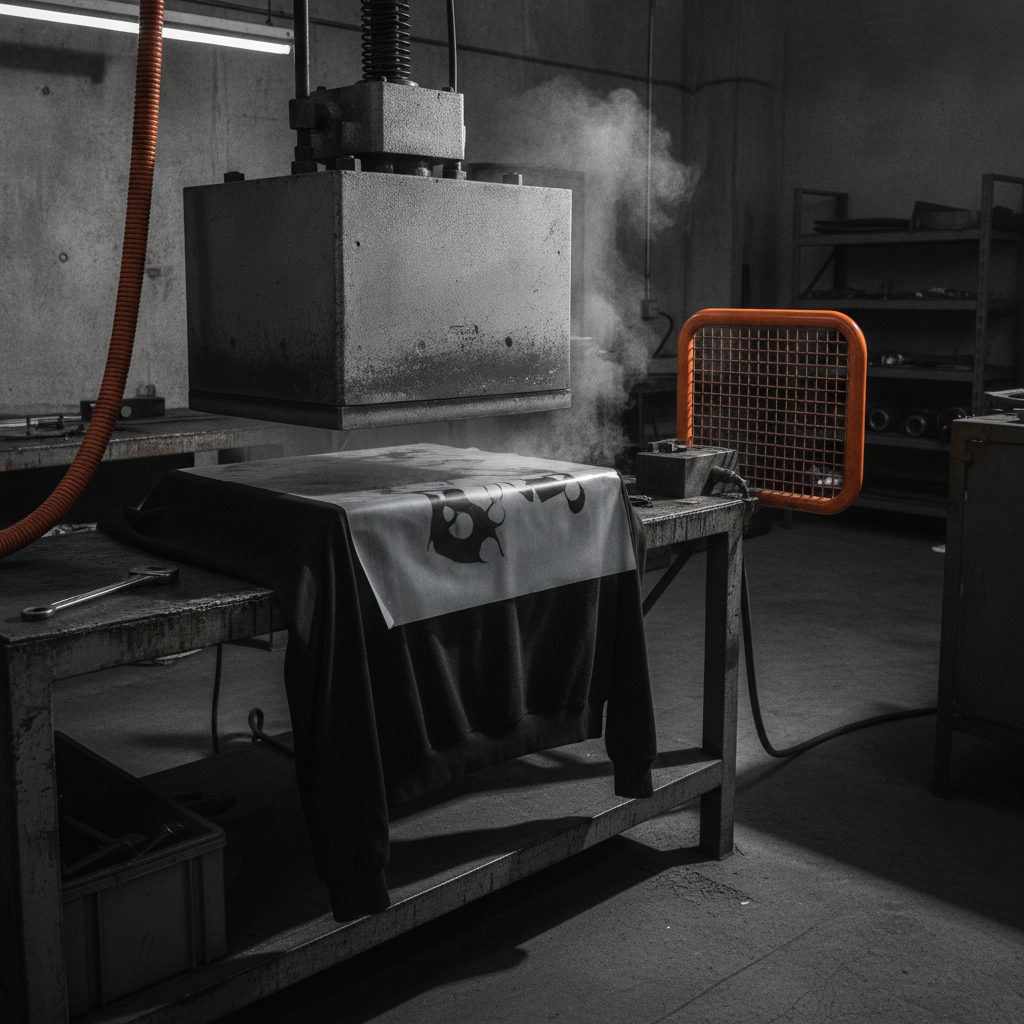
DTF transfers
No minimum. Names and numbers.
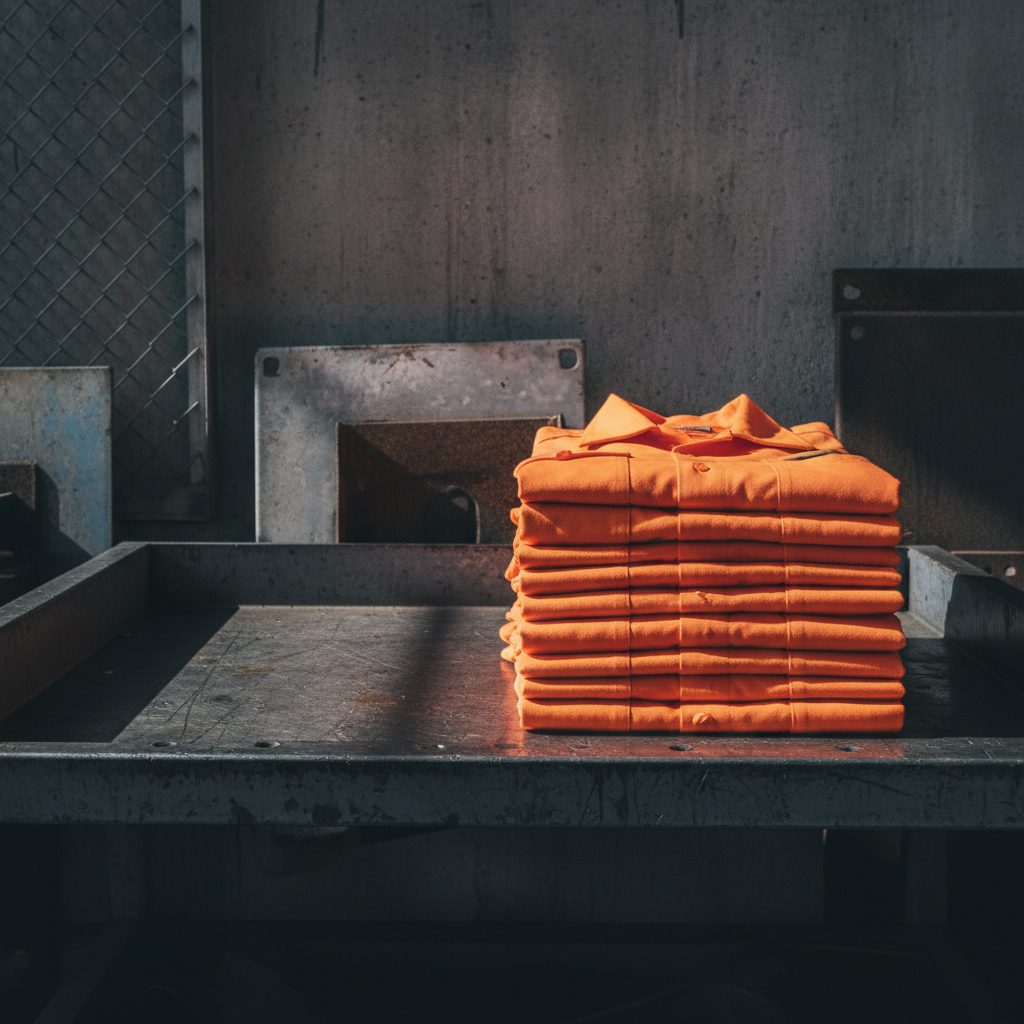
Hi-vis & work shirts
Safety tees, work shirts, work polos.
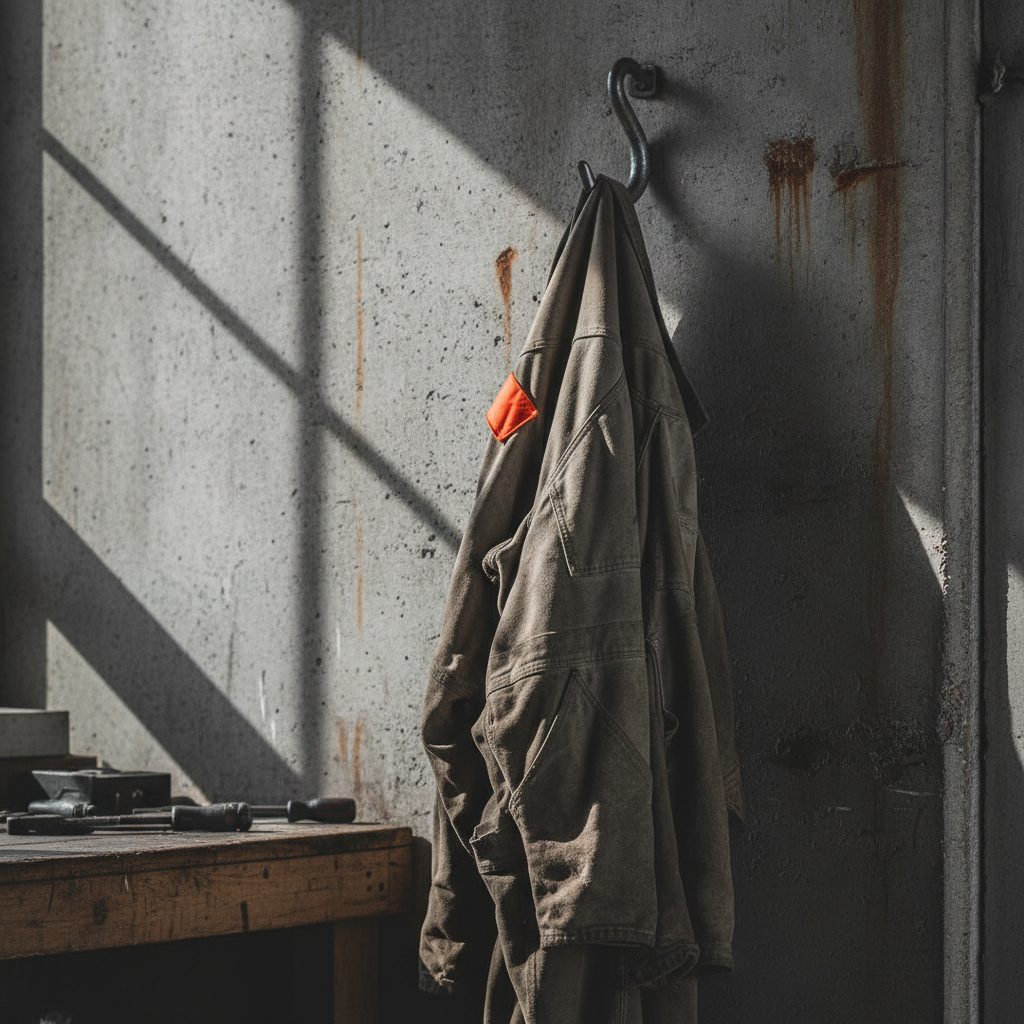
Coveralls & aprons
Canvas overalls, coveralls, aprons.
Built for the shift
It gets laundered more than a t-shirt ever will
A uniform is washed every week for years. Which method you put on it is what decides how it reads on month twelve, so here is what each one actually does to the garment.
On every garment we decorate
Work shirts
Hi-vis
Coveralls
Caps
Screen print
Ink cured into the fabric
Plastisol is cured onto the garment under heat, so the print flexes with the fabric rather than sitting on top of it. It is the method that holds up best on a high-wash uniform, and the only one we can run 3M reflective through.
Embroidery
Thread, not ink
There is nothing to crack, fade or peel, because the mark is stitched into the garment instead of printed onto it. Standard logo size is 4.5 inches wide, and a design can carry up to 12 thread colors.
DTF transfers
Flexible film, no minimum
A printed film is heat-pressed onto the garment. Unlimited colors and no minimum, which is what makes it the practical way to put one name and one number on one jacket.
The workwear range
Four of the styles we decorate most. All four take screen print, embroidery and DTF.
-
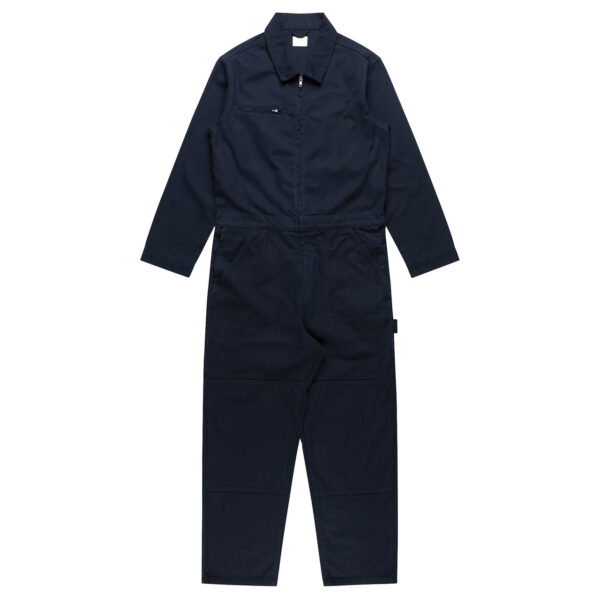
AS Colour – Custom Canvas Coveralls
View Product: AS Colour – Custom Canvas Coveralls$61.19 -
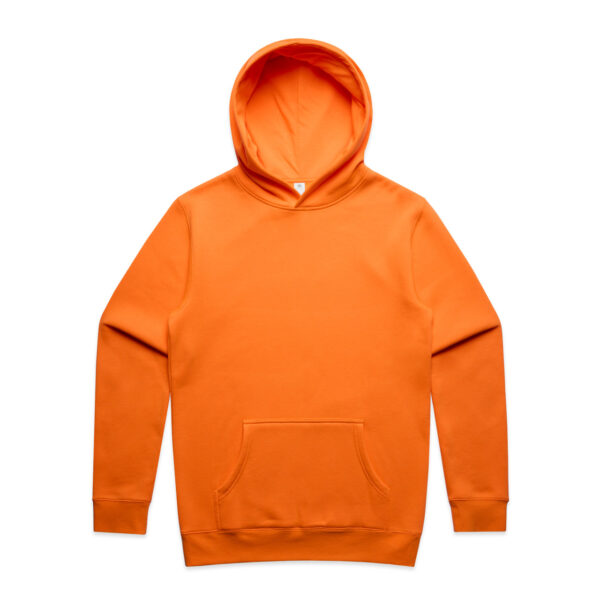
AS Colour – Custom Stencil Safety Hoodie
View Product: AS Colour – Custom Stencil Safety Hoodie$34.24 -
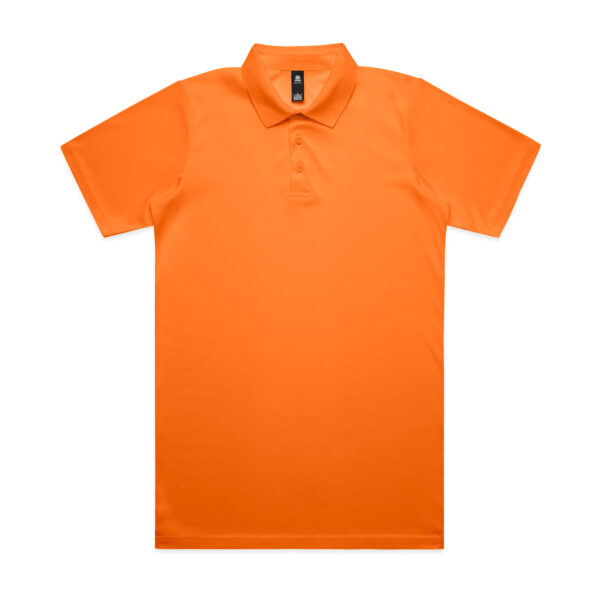
AS Colour – Custom Work Safety Polo Shirt
View Product: AS Colour – Custom Work Safety Polo Shirt$23.58 -
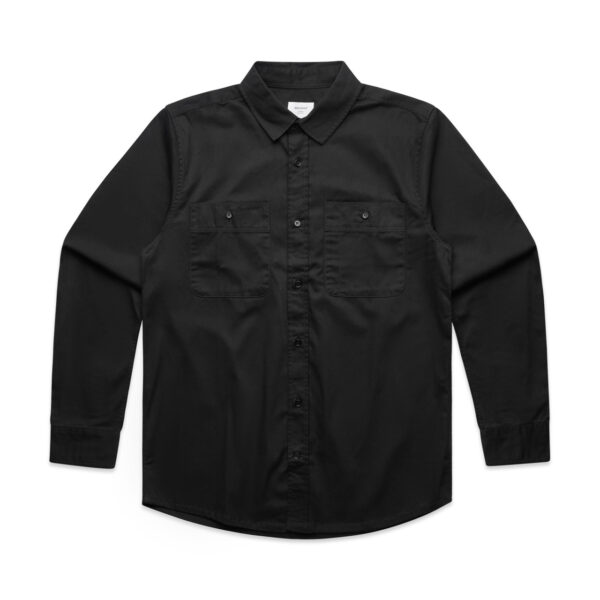
AS Colour – Custom Work Shirt
View Product: AS Colour – Custom Work Shirt$35.46
How it runs
How a uniform order runs
Brief & quote
Send the garment, the quantity and the artwork. The quote comes back with garments, decoration and freight as separate lines, so nothing is buried inside one number.
Artwork & proof
We prep the separations, the print file or the stitch file, then send a digital mockup with the placement and the size marked on it. Nothing runs until you approve it.
Sizes, names and numbers
Send the size run, and the name or number list if the job carries one. This is the step that decides whether a crew order arrives sorted or arrives as a box somebody has to sort.
Production
The run goes through press or machine and is checked piece by piece. Anything off-register or short-cured is pulled and re-run rather than shipped.
Finish & ship
Folded, poly-bagged or boxed as a size run, your call. Blind shipping and multi-address fulfillment are both available — say so at the start of the order.
Uniform programs
One garment set, reordered as the crew changes
Pick the garments once and approve the artwork once. We keep the file, the placement and the thread colors on record, so the reorder for three new hires matches what the rest of the crew is already wearing.
- ✓ A digital mockup before anything is printed
- ✓ 493 garments in the catalog, across 45 brands
- ✓ Screen print, embroidery, DTF and DTG in one shop
- ✓ Blind shipping and multi-address fulfillment
FAQ
Questions we get asked
What is the minimum order?
12 pieces per design for screen printing. Embroidery, DTF and DTG have no minimum — a single jacket is fine, it just costs more per piece.
How long does a run take?
2 to 3 weeks, including shipping, measured from proof approval. Production time is quoted separately from transit, and UPS 2nd Day Air and Next Day Air are available when the date will not move.
Can I supply my own garments?
Yes. Send a spec sheet first so we can confirm the fabric takes our inks or our needles, and include 2–3% spoilage. We do not cover replacement cost on customer-supplied garments.
What file format do you need?
Vector (AI, EPS, PDF) is best. Raster is fine at 300 DPI at final print size on a transparent background. Max print size is 15 × 18 inches, and embroidery runs to 12 thread colors.
Do you ship outside California?
Nationwide with tracking, and internationally with UPS and USPS. Commercial invoices and HS codes are included, and we will ask if a shipment needs VAT, EORI or EIN details.
Ready to put your logo on the crew?
Tell us the garment, the quantity and the artwork. The quote comes back with garments, decoration and freight priced as separate lines.